
Strategy for Payments in 2025 Aimed at Gambling Operators
Players will often leave a platform if their preferred payment method isn’t available, making it essential for operators to offer a wide range of options. AML Compliance Built-InThrough partnerships with global leaders, Corytech integrates anti-money laundering tools that keep you ahead of compliance threats. The global iGaming market is projected to reach $127.3 billion by 2027, driven by mobile accessibility and new market regulations. A generalist processor unfamiliar with MCC 7995, licensing documentation, and gambling-specific dispute patterns will struggle exactly when you need stability most. Layer in payment methods built for iGaming platforms, including e-wallets, bank transfers, and prepaid vouchers, so a single card decline does not end the deposit attempt. Multiply that by a few thousand transactions a day, and you understand why payments, not game design, decide who survives in this industry.
A report from MarketsandMarkets indicates that in 2023, the value of the global Digital Payment Market was $111.2 billion, and it is projected to exceed $193.7 billion by 2028. Enhancing payment processing efficiency and user satisfaction can be achieved through the implementation of multi-currency support, advanced security measures, seamless integration, and automated verification. The payment processing in the iGaming sector can be significantly improved by adopting these solutions.
By enrolling in alert networks such as Ethoca (Mastercard) and Verifi (Visa), disputes can be intercepted before escalating to formal chargebacks, which helps lower resolution costs. Analyzing the distribution of reason codes helps to determine whether chargebacks primarily arise from friendly fraud, true fraud, or processing errors, thus guiding the correct prevention strategy. Financial losses, regulatory fines, and the possibility of being dropped by banking partners can arise from unmanaged fraud, with exposure to money laundering further complicating legal risks. Fraud that manages to pass initial identity verification is detected through post-verification behavioral patterns like quick deposits and withdrawals, unusual game selection patterns, and login activities from atypical times or locations.
Begin your journey with EukaPay
It simplifies the technical mess by letting iGaming operators add or swap payment methods through one API. Operators need a backend that stays fast even when thousands of people are playing at once, while keeping everything legal behind the scenes. When data is not centralized, iGaming operators cannot react quickly to settlement delays or technical leaks in the payment chain. It provides the necessary infrastructure to scale effortlessly without requiring a total overhaul of the existing system.

How BVNK supports Gaming leaders
The market for iGaming platforms, particularly the software and infrastructure segment, is forecasted to increase from approximately $110.8 billion in 2025 to $130.5 billion in 2026, reflecting a growth rate close to 18%. It is projected that the online gambling industry will reach around $101 billion by 2026, with an annual growth rate of about 10.7%; when considering offline channels, the overall revenue for the broader gambling market may be near $347 billion. These statistics directly influence choices regarding payment processing partners, budgeting for rolling reserves, and the decision of whether to utilize a high-risk payment setup with an offshore acquirer or to pursue approval with a traditional bank. For payment teams, selecting payment gateways, providers, and merchant accounts has evolved into a strategic choice, especially for offshore and high-risk merchants reliant on specialized services to maintain operations, rather than merely a back-office task.
Operators with poor fraud prevention records risk significant penalties, including substantial fines, license suspensions, or even revocation. Rebuilding trust requires sustained effort, transparent communication, and demonstrable improvements in security measures, often leading to decreased customer retention and acquisition challenges for years to come. A tarnished reputation can lead to significant customer churn, making it difficult to retain existing players and attract new ones. The previously cited statistic of €107 in additional costs for every €100 lost to chargebacks underscores the severity of this financial burden (fluidpayments.io). These cumulative losses can significantly impact an operator’s bottom line and cash flow, diverting resources that could otherwise be invested in growth or innovation. Chip dumping is a specific form of collusion where one player intentionally loses chips to another player, often to transfer illicit funds or manipulate a game outcome for a third-party benefit.
This challenge can require iGaming operators to have a scalable infrastructure and an white label payment gateway india enhanced payment processing system. Sudden drops in activity can jeopardize the commitment and lead to penalties or renegotiations. Handling various payment methods, including debit cards, e-wallets, and bank transfers, can be complex. IGaming businesses must ensure the checkout flow is smooth and uninterrupted, as payment delays or interruptions can lead to customer frustration and abandonment. As the industry grows in popularity, iGaming companies are looking to increase the number of payment solutions they offer to integrate checkout and meet the needs of their customers.
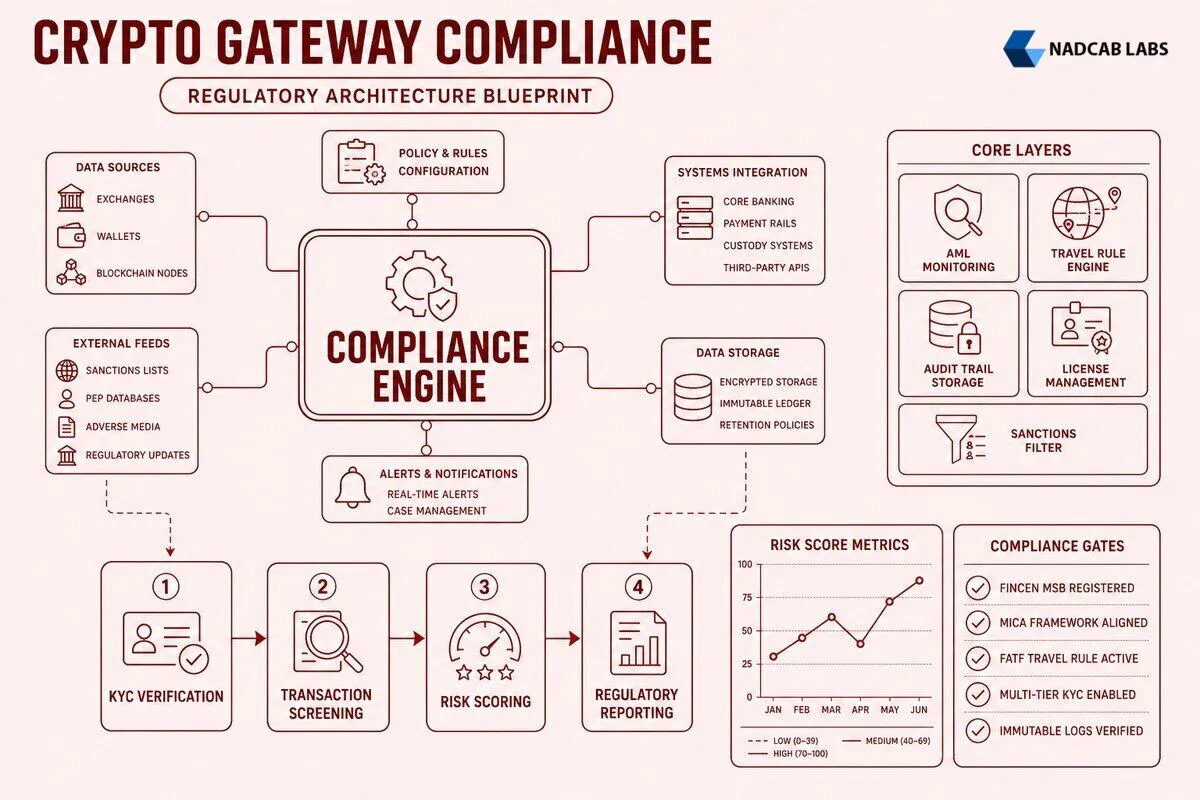
How will AI-powered fraud detection impact the user experience?
As per the initial definition, iGaming payments software is the specific technology solutions built to make secure, efficient, and smooth financial transactions on online gaming sites possible. Yet, the payment infrastructure for it is an essential factor that often impacts the performance of any iGaming enterprise. Every provider you add brings its own report format, its own reference scheme, and its own timing.
What does Gambling Payment Processing entail?
Keep chargebacks under 0.75% and record the approval rate per method as the baseline A merchant Visa identifies as Excessive under VAMP pays $8 for every fraud report and dispute, which the acquirer passes on. Instant and same-day settlement first, then the shortest T+ terms. It suits licensed books with volume and a clean dispute history, while smaller books reach acquirers through a PSP or an orchestrator. One API connects several acquirers and PSPs, and routing sends each transaction where approval odds are highest. SPEI in Mexico, PSE in Colombia, Yape in Peru, M-Pesa in Kenya, iDEAL in the Netherlands and Bancontact in Belgium each lead deposits in their market, so a cashier without them loses the players who pay that way.
A cashier that copes on a Tuesday can slow down during a title fight or a cup final, and a delayed deposit is often an abandoned deposit. No decline code is written, so the loss never appears in a payments report. The one change you control is offering a method that does not route through an issuing bank at all. Each sits in the payment method, so each can be fixed by changing what the cashier offers.
Reducing chargebacks is critical for maintaining stable acquiring relationships and protecting long-term payment processing capabilities. Hidden fees and opaque reporting structures are common in high-risk payment processing and should be rooted out during vendor evaluation. Platforms that offer instant payouts, including push-to-debit, open banking rails, or e-wallet disbursements, report significantly higher player retention than those that rely on batch settlement cycles. Argentina still limits corporate access to foreign exchange and blocks switching between the official and financial dollar for 90 days. By offering a broad spectrum of payment options, including popular local solutions specific to target markets, operators can significantly enhance player conversion rates and satisfaction. Each jurisdiction demands its own rigorous application process, ongoing reporting, and adherence to specific operational standards.
This development is fueled by legalizing internet gambling in various regions of the globe, trends in mobile gaming, and embracing emerging technologies like virtual reality (VR). The success rate of transactions, expressed as the percentage of completed transactions, is a critical metric for iGaming payment processors. A transaction success rate that’s improved from single digits to over 90% is crucial for iGaming operators’ growth in customer acquisition, as it directly impacts user satisfaction and retention. This has made it even more critical for operators to adopt modern payment systems that can navigate these challenges effectively.
Furthermore, high transaction volumes place considerable pressure on backend reconciliation and reporting systems. Responsible gaming involves providing facilities such as exclusion, limits, and access to gambling addiction advisory services. By embracing advanced technologies, leading in cybersecurity, streamlining payment processing, and focusing on player retention, operators can overcome these hurdles and drive long-term success. Provisions for responsible gaming such as facilities for self-exclusion, deposit limits setting, and access to counseling services for gambling addiction should be instituted by most jurisdictions for iGaming operators.
